How geckos and anoles use sticky toepads and claws to run, climb and jump is providing clues for innovations to help humans, and is also aiding in efforts to conserve the animals’ species.
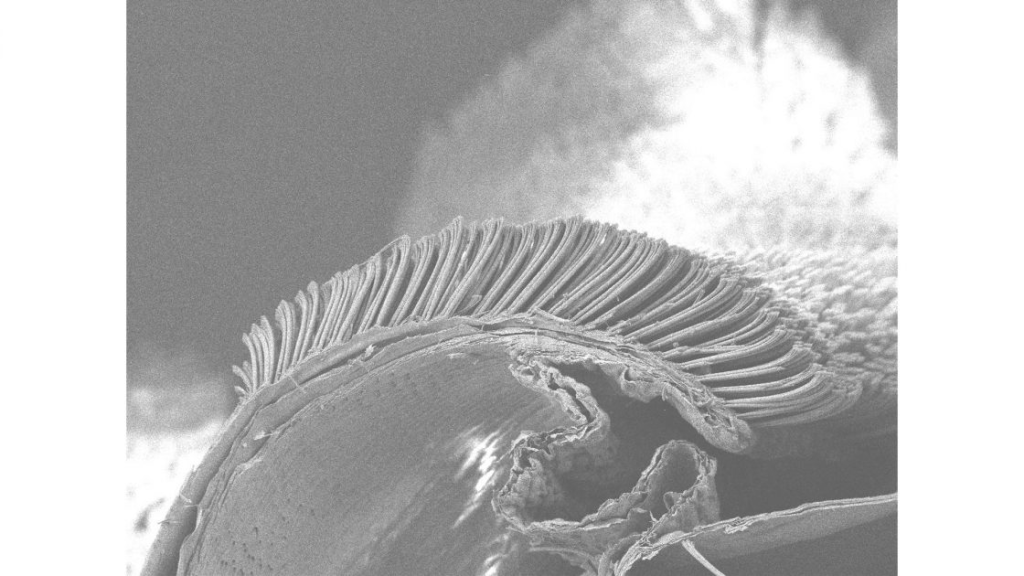
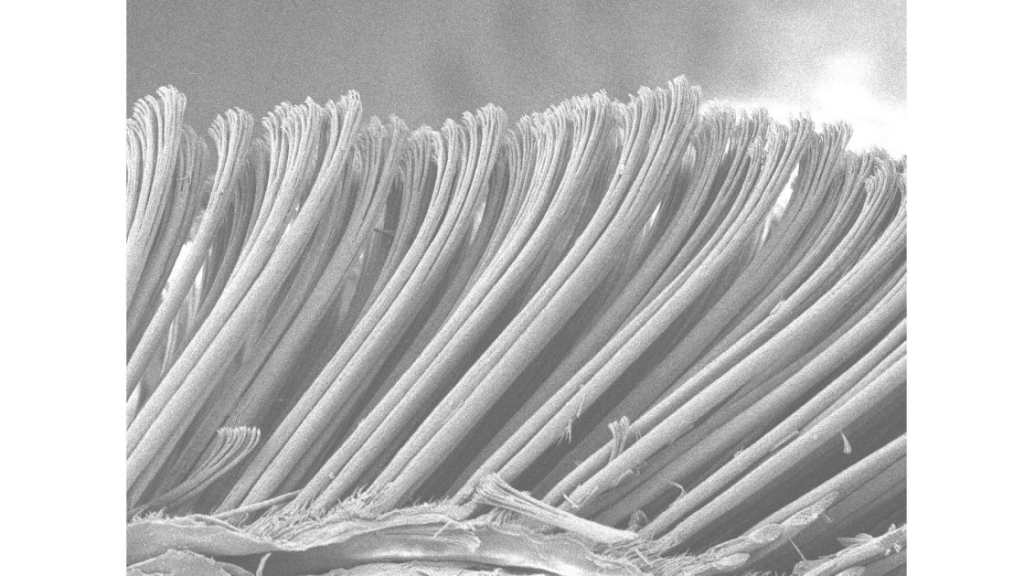
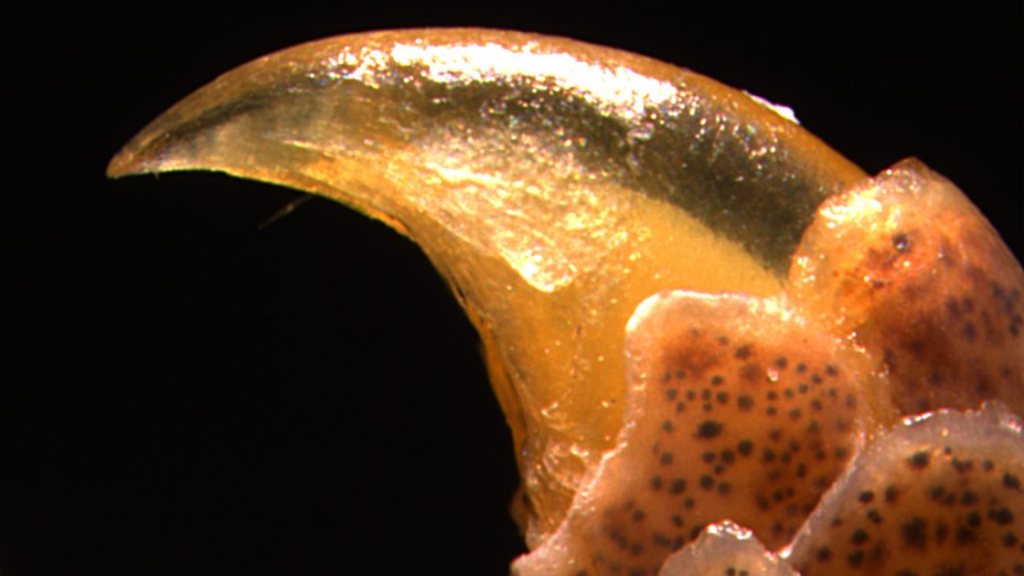
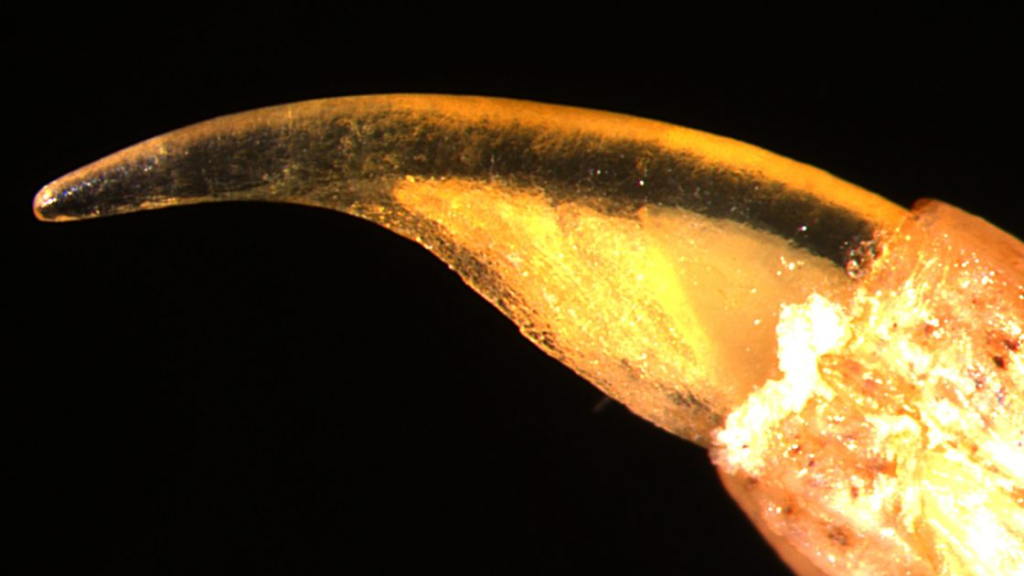
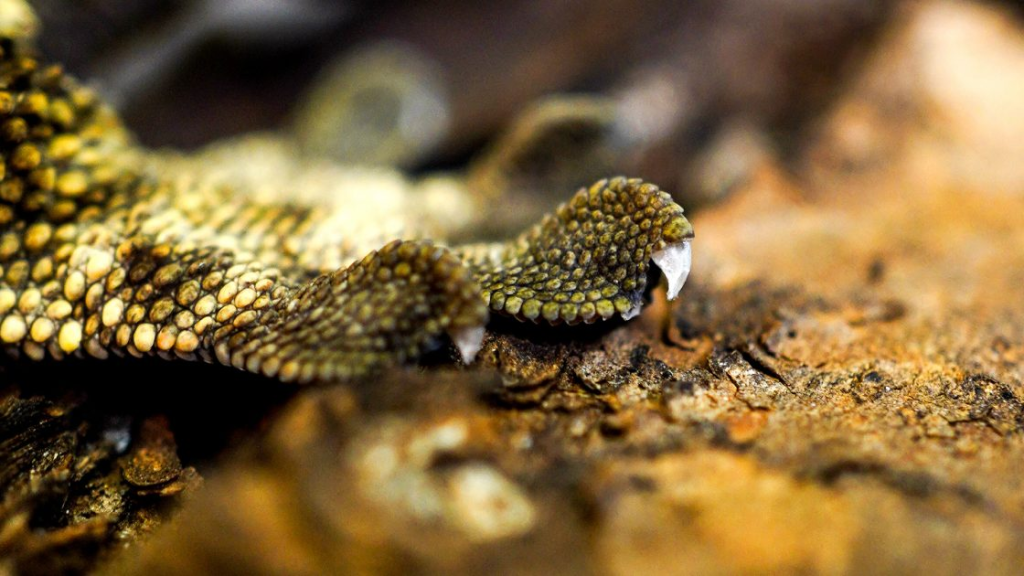
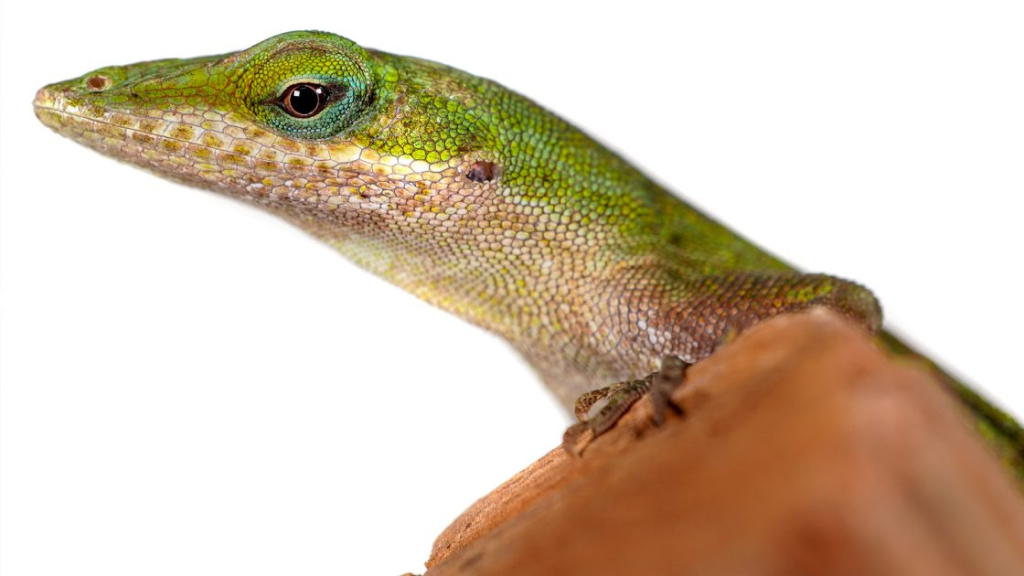
Through millions of years of evolution, geckos and anoles have developed curved claws and sticky toepads that make them expert climbers.
A team of researchers in the College of Arts and Sciences has been examining how those physical traits could inspire innovations such as new super adhesives and robotic climbing technologies, research that has the potential to not only help humans, but also contribute to the conservation of the lizard species.
Postdoctoral scholar Benjamin Wasiljew and a group of biology student research assistants have been putting a group of anoles and geckos through their paces—having the animals run, jump and climb on various surfaces and at differing inclines.
The group has included doctoral student Aaliyah Roberts ’29; former research assistant Sierra Weill ’24; former undergraduate student researcher Natalie Robinson ’25; and Maya Philips ’26, who is currently using the research to write her undergraduate thesis.
Working in the lab of Austin Garner, assistant professor of biology, Wasiljew and researchers have been assessing how surfaces affect movement, speeds and exertion levels. They have also examined how the animals’ claws and sticky toepads work together to produce results. Previous research mainly focused only on toepads.
Impressive Climbers
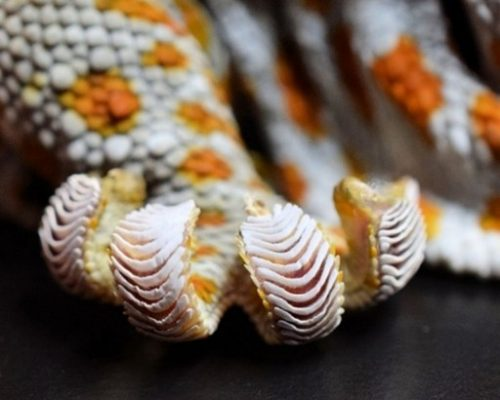
“We are testing their clinging ability on various surfaces and inclines, which helps explain what combination of toepads and claws work best on different surfaces,” Wasiljew says. “We believe adhesive toepads are more effective on smooth surfaces like leaves or glass windows, whereas claws perform better on rough surfaces like tree bark or concrete walls. Anoles and geckos encounter all those types of surfaces depending on whether they live in urban or natural settings. Combining the abilities that both claws and toepads provide is likely what makes geckos and anoles such impressive climbers,” he says.

The research provides a better understanding of how clinging and climbing are handled in nature. Wasiljew believes that knowledge could be used to build physical models based on gecko and anole feet that could lead to new types of climbing equipment, robotic climbing technologies or other innovations.
These new developments could provide better access to hard-to-explore terrains and assist search and rescue efforts when people are trapped in challenging or remote geographic locations or stranded during hurricanes and earthquakes, he says.
Wasiljew and the Garner Lab team work with Syracuse University engineers to discuss ways to implement their biological findings into bio-inspired adhesives and robots. They also collaborate with biology professor Susan Parks and researchers at her Bioacoustics and Behavioral Ecology Lab. Her group is studying how to build better biologging tags that adhere to the skin of endangered whales to improve tracking and protection.
A Role in Conservation
Understanding how geckos and anoles function in their various habitats is crucial to their conservation, Wasiljew says, because urbanization can threaten their existence. Urban habitats can cause some species to be unfamiliar with how to dwell and move in natural settings that have flexible twigs and branches, versus the concrete and glass materials they encounter in urban areas. Some species don’t adapt well to habitat changes, which could lead to their eventual extinction, Wasiljew explains. Other species may adapt so well to urban settings that they can come to be regarded as pests.
“Our findings are important because they show how different surfaces affect tree-dwelling lizards and how urban environments can change how lizards behave and how their surroundings can shape their bodies and abilities. It’s research that can both help protect endangered species and limit their negative impacts in urban locations. Understanding how animals respond to human influence or habitat disturbance is crucial to their conservation.”
Photo Gallery
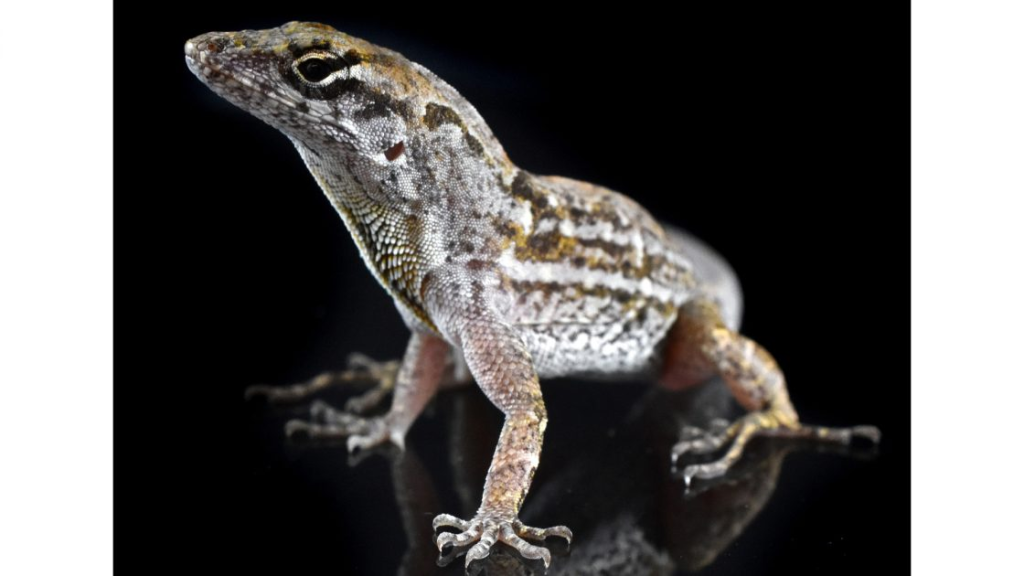
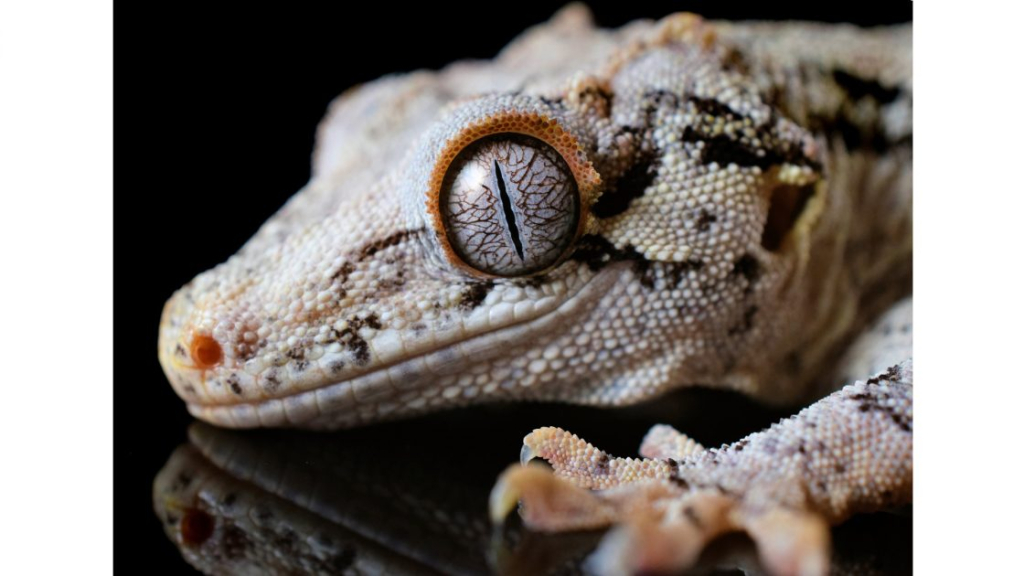
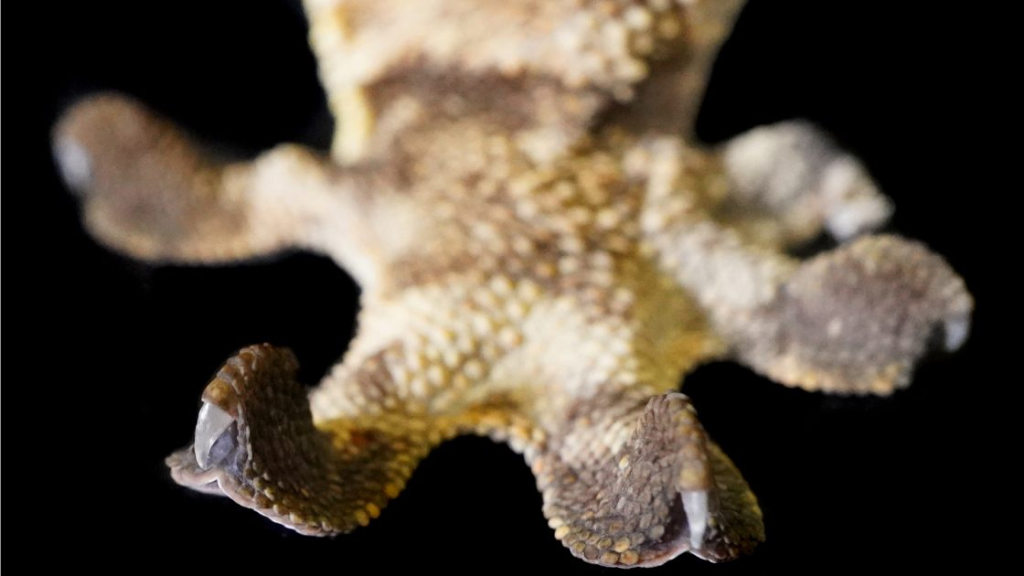
Geckos and anole lizards can easily climb smooth, vertical glass panes or even hang upside down from the ceiling by a single toe. Together, their curved, pointed claws and adhesive toepads provide striking movement capabilities. It’s generally believed that adhesive toepads are more effective on smooth surfaces like leaves or glass windows while claws perform better on rough surfaces like tree bark or concrete walls. The Garner Lab is testing those concepts. (Photo of a gargoyle gecko by Austin Garner)